
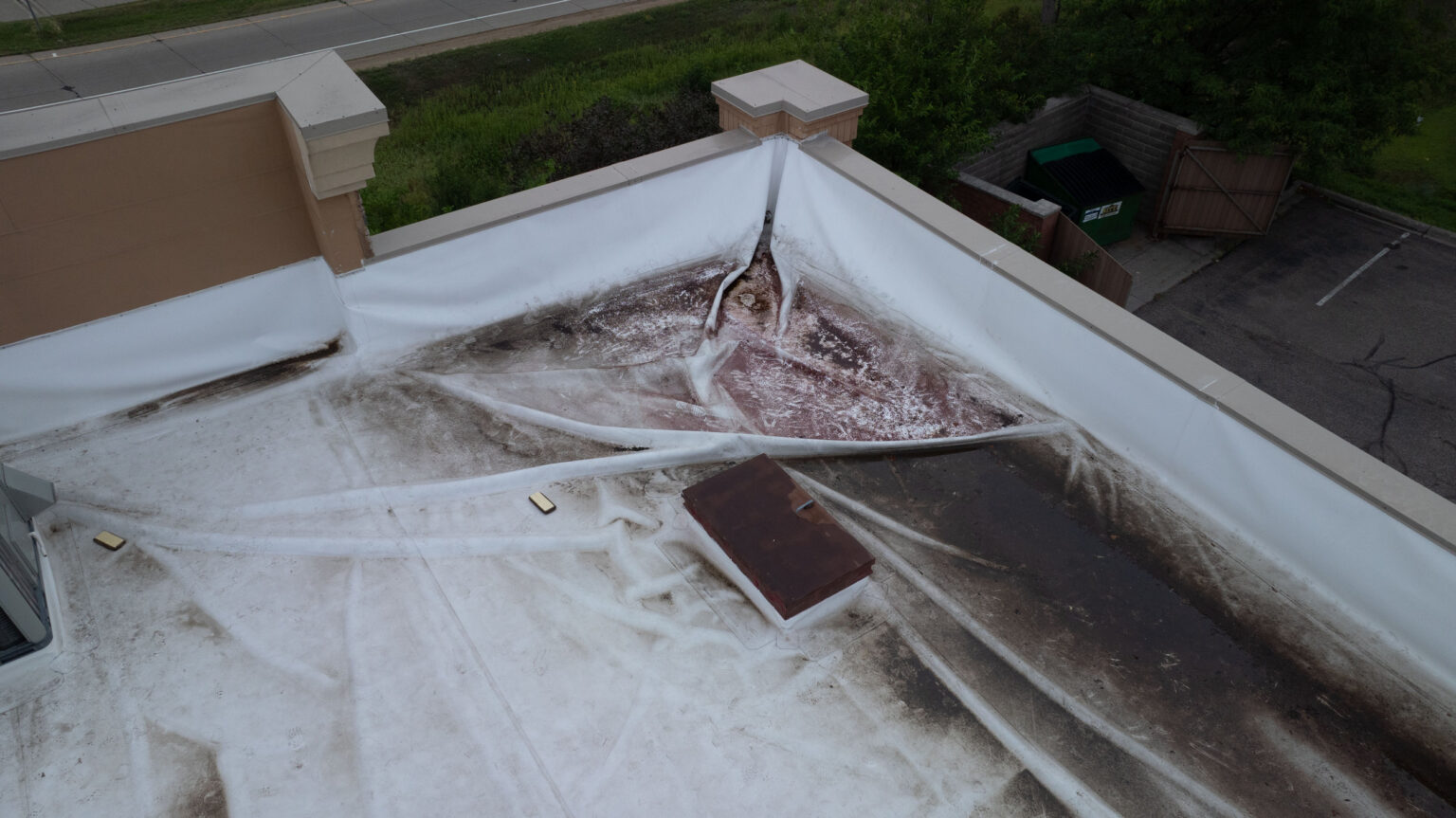
Coordination, for us, means making sure the roofing side of a claim moves as fast as the roof allows and produces a record an adjuster can actually work from. Property managers running buildings along the Rosedale Highway corridor, the California Avenue office district, or the industrial parks near Fruitvale and District Boulevard don't need another vendor slowing the process down - they need one contractor keeping the roof documentation, the field visits, and the scope consistent from the first inspection through closeout.
We're your roofing contractor, not a public adjuster - we document and substantiate the roof damage so you and your adjuster work from an accurate scope. We coordinate our end of the claim: scheduling the roof inspection promptly, producing the photo and measurement record the same way every time, being available for the adjuster's walk-through, and turning around scope revisions quickly if new conditions turn up once tear-off starts. The filing, the negotiation, and the coverage decision stay with the property owner and the carrier.
What Coordination Covers
A typical claim on a Bakersfield commercial roof moves through a few roofing-side steps: an initial damage inspection with photos and measurements, a written scope tied to those findings, a scheduled walk with the insurance adjuster, and - if the estimate comes back short - a supplemental inspection addressing whatever was missed. We keep the same inspector and the same documentation standard across all of it, because a claim file that reads consistently from step one to step four is easier for an adjuster to approve than one where the scope shifts each visit.
Working With the Adjuster's Schedule
Adjusters covering Kern County commercial property often have a full route on any given day. We build our availability around theirs - confirming access, having the roof clear of obstructions, and having documentation ready before they arrive rather than scrambling once they're on site. On occupied buildings near California Avenue or the Bakersfield Airport Business Corridor, that also means coordinating with tenants and property staff so the roof visit doesn't turn into a scheduling conflict on top of everything else.
Keeping the Scope Consistent
One of the more common ways a claim gets delayed is when the roofing contractor's scope changes between visits without explanation. We write our reports so each line item ties back to a specific, photographed condition - a torn seam, a saturated insulation section, a damaged curb - so if the scope needs revising later, the reasoning is already documented and the revision doesn't read as inconsistency. That matters whether the property owner is working the claim directly or through a public adjuster; either way, a traceable scope moves faster through review.
After the Estimate
If the carrier's initial estimate comes back covering less than the roof needs, we can go back out, document the additional conditions, and provide an updated report for the owner or their public adjuster to submit. We stay in a supporting role through that process - producing the roofing evidence, not arguing the policy interpretation. Once the scope is settled, we coordinate material lead times and crew scheduling so repair or replacement work can start as soon as the claim clears, instead of losing additional weeks re-mobilizing a project that already had a documented start date.