
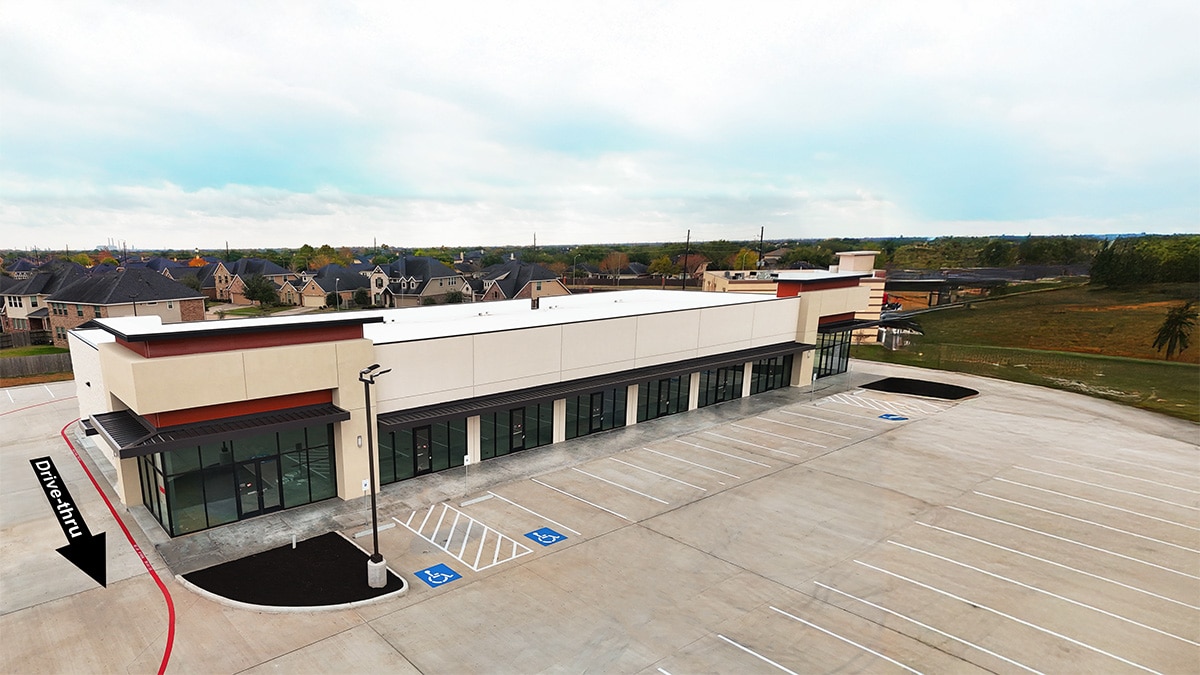
Bakersfield's retail geography centers on the Rosedale Highway commercial corridor running east from the 99 Freeway interchange, the major retail nodes at Gosford Road and Ming Avenue in the southwest, and the strip development patterns that follow the city's main arterials south toward the Oildale edge and east toward the East Hills Mall area. As the central city of Kern County and the commercial hub for the southern San Joaquin Valley, Bakersfield's retail market serves a large regional trade area that extends well beyond the city limits into agricultural and oil-field communities with limited local retail options. Property managers overseeing retail assets in this market work in a climate that is genuinely extreme — one of the hottest regular summer temperature profiles of any California city — and that fact shapes commercial roofing decisions in ways that are specific to this corner of the Central Valley.
Bakersfield's summer heat is the defining roofing challenge for retail properties in Kern County. The city regularly records triple-digit temperatures from June through September, and rooftop surface temperatures on traditional dark-surfaced commercial roofing membranes can exceed 175 degrees Fahrenheit during peak afternoon hours. These temperatures don't just increase cooling loads for retail tenants below — they actively accelerate the aging of roofing membranes, cause thermal expansion and contraction cycles that stress seams and flashings, and reduce the service life of HVAC equipment by increasing the temperature differential across condensing units. For retail property managers in Bakersfield, the case for reflective roofing is not abstract energy policy — it is an economic calculation that affects tenant satisfaction, HVAC replacement cycles, and membrane longevity in concrete and measurable ways.
California's Title 24 energy code mandates reflective roofing for commercial buildings undergoing re-roofing projects, and Kern County's extreme climate zone makes these requirements particularly consequential. Qualifying TPO and PVC single-ply membrane systems from California Energy Commission-approved manufacturers are effectively the only compliant option for retail re-roofing in Bakersfield, and this regulatory reality has driven widespread adoption of these systems across the city's retail stock. Property managers at centers like those along Stockdale Highway or the major commercial clusters near the Valley Plaza Mall are operating within a compliance framework that both limits and simplifies the specification decision: the question is not whether to use a reflective membrane but which system, manufacturer, and warranty structure best serves the specific property's needs.
The agricultural economy that underlies much of Kern County's commercial real estate creates distinctive retail patterns in Bakersfield. The harvest and oil-field worker population centers in Oildale and the eastern neighborhoods anchor retail strips that operate on different economic rhythms than suburban shopping centers in coastal California metros. Property managers at strip malls serving these communities work with tenant mixes — dollar stores, check-cashing businesses, auto parts retailers, ethnic grocery stores — that have limited flexibility for business disruption and limited internal resources to manage building system issues. Roofing contractors who work in these submarkets need to understand that tenant notification, operational coordination, and scheduling around the specific hours of service businesses require clear communication and genuine flexibility.
HVAC equipment density on Bakersfield retail roofs reflects the extraordinary cooling demands of the San Joaquin Valley summer. Retail tenants in the and the neighborhood retail properties scattered through east Bakersfield run rooftop units at essentially continuous capacity during the summer months, and the thermal cycling from nighttime cooling to daytime peak load creates continuous stress on the curb flashings and equipment seals that interface between the mechanical systems and the roofing membrane. Bakersfield commercial roofers who work the retail segment know that HVAC curb flashing inspection and re-sealing is a high-frequency maintenance item in this climate — not an optional service — because the heat-driven movement cycles cause flashings to loosen faster than they do in moderate climates.
National retail brands operating Bakersfield locations — and major chains are strongly represented at the Rosedale Highway corridor and in the southwest Bakersfield power centers — carry roofing specifications that property managers must accommodate in their capital planning. The combination of California-specific Title 24 requirements and chain-specific facilities standards means that the specification landscape for retail roofing in Bakersfield is more constrained than in other states: the contractor must satisfy both the state energy code and the chain's internal technical requirements, which sometimes specify particular manufacturers or products that are on the chain's approved list. Working with a commercial roofer who understands the intersection of California regulatory requirements and major retail chain specifications is essential for smooth execution on these projects.
Tenant disruption at Bakersfield retail properties requires scheduling awareness that accounts for the city's intense summer heat as much as for tenant operating hours. Roofing work in July and August creates heat-exposure risks for workers that limit productive work hours and, in some cases, make certain types of work unsafe during peak afternoon hours. Property managers planning re-roofing projects should work with contractors to schedule the most labor-intensive work in the earlier morning hours and to avoid the 11 a.m. to 3 p.m. window when temperatures regularly exceed 105 degrees and Cal/OSHA heat illness prevention requirements impose mandatory rest periods that reduce crew productivity. Spring scheduling — March through May before the heat season begins — is the optimal timing for major Bakersfield retail roofing projects from both worker safety and tenant disruption perspectives.
CAM budget management for Bakersfield retail properties benefits from the straightforward California regulatory framework that clearly defines what constitutes a capital improvement versus a maintenance expense. Property managers should note that California's commercial tenant protection framework provides meaningful audit rights to tenants with gross lease structures that include CAM pass-throughs, and roofing expenditures are among the most commonly audited items. Documenting that roofing costs were reasonable, competitively bid, and properly classified requires the same organized documentation approach that well-managed California retail properties maintain for all capital expenditures. The California Contractors State License Board (CSLB) license verification for any contractor is an additional documentation step that is both legally required and evidence of due diligence in a CAM dispute.
For retail property owners and investors in the Bakersfield market, commercial roofing investment should be understood as part of the same economic logic that drives other capital improvements in an extreme-climate operating environment. A property with a modern reflective membrane, a documented inspection history, and an active maintenance program is a more attractive asset to both retail tenants and commercial real estate investors than one carrying an aging roof with deferred maintenance. In a market where the operating environment is as demanding as Kern County's climate, demonstrating that the asset is managed to a standard that protects tenant operations and building integrity is a genuine competitive differentiator.
- How does Bakersfield's extreme heat affect commercial roofing membrane selection?
- The combination of rooftop temperatures that can exceed 175 degrees Fahrenheit on dark surfaces and the UV intensity of the Central Valley summer means that only membranes with high heat and UV resistance should be specified for Bakersfield retail properties. White or light-colored TPO and PVC membranes reflect the majority of solar energy rather than absorbing it, dramatically reducing rooftop temperatures and extending membrane service life compared to dark-surface alternatives. The energy savings for retail tenants running high-capacity cooling systems in Bakersfield's summer are substantial enough that reflective roofing is often highlighted as a facility feature in new lease marketing for updated properties.
- Does California's Title 24 apply to roof repairs as well as full replacements in Bakersfield?
- Title 24 cool roof requirements are triggered when the area being replaced or re-covered exceeds 50 percent of the total roof surface, so small spot repairs and patch work generally do not trigger the energy compliance requirement. Full replacement and recovery projects almost always exceed this threshold and require compliant systems. Property managers should confirm the scope of any planned roofing project against the 50 percent threshold before beginning, as misidentifying a threshold-triggering project as minor repair work can result in code compliance issues during permit inspection.
- What are the most important maintenance items for retail roofs in Kern County's climate?
- HVAC curb flashing inspection and re-sealing is the highest priority annual maintenance item for Bakersfield retail roofs because the extreme thermal cycling loosens flashings faster than in moderate climates. Drain cleaning and capacity verification before the rainy season — typically November through March — prevents the ponding that occurs when drains are blocked and California's periodic heavy rain events arrive. Membrane surface inspection for UV degradation, particularly around penetrations and at membrane seams, should be part of the annual inspection protocol to catch early-stage failures before they create interior damage.
- How should Bakersfield retail property managers plan re-roofing projects around the summer heat?
- The ideal project window for major Bakersfield retail re-roofing is March through May, after the last frost risk has passed and before the June onset of the heat season that makes sustained rooftop work both difficult and potentially unsafe under Cal/OSHA heat illness prevention requirements. Fall scheduling from October through November is the secondary option. Summer projects are possible but require strict adherence to heat illness prevention protocols, reduced effective work hours during peak afternoon heat, and contractor experience managing crews safely in extreme heat conditions — all of which affect project cost and timeline compared to spring scheduling.
- How do Bakersfield's oil and agricultural economy tenants differ from national retail chains as roof stakeholders?
- Local and regional tenants in Bakersfield's neighborhood retail centers — auto parts stores, grocery outlets, dollar-format retailers, and service businesses serving agricultural and oil-field worker communities — typically have less formal lease language around roofing standards than national chain tenants and less internal resources to monitor building system performance. This can mean that roof problems go unreported longer, increasing damage severity before they reach the property manager's attention. Proactive landlord-initiated inspection programs and direct relationships between the property management team and the store-level managers at these smaller tenants compensate for the absence of the sophisticated facilities management infrastructure that national chains bring.