
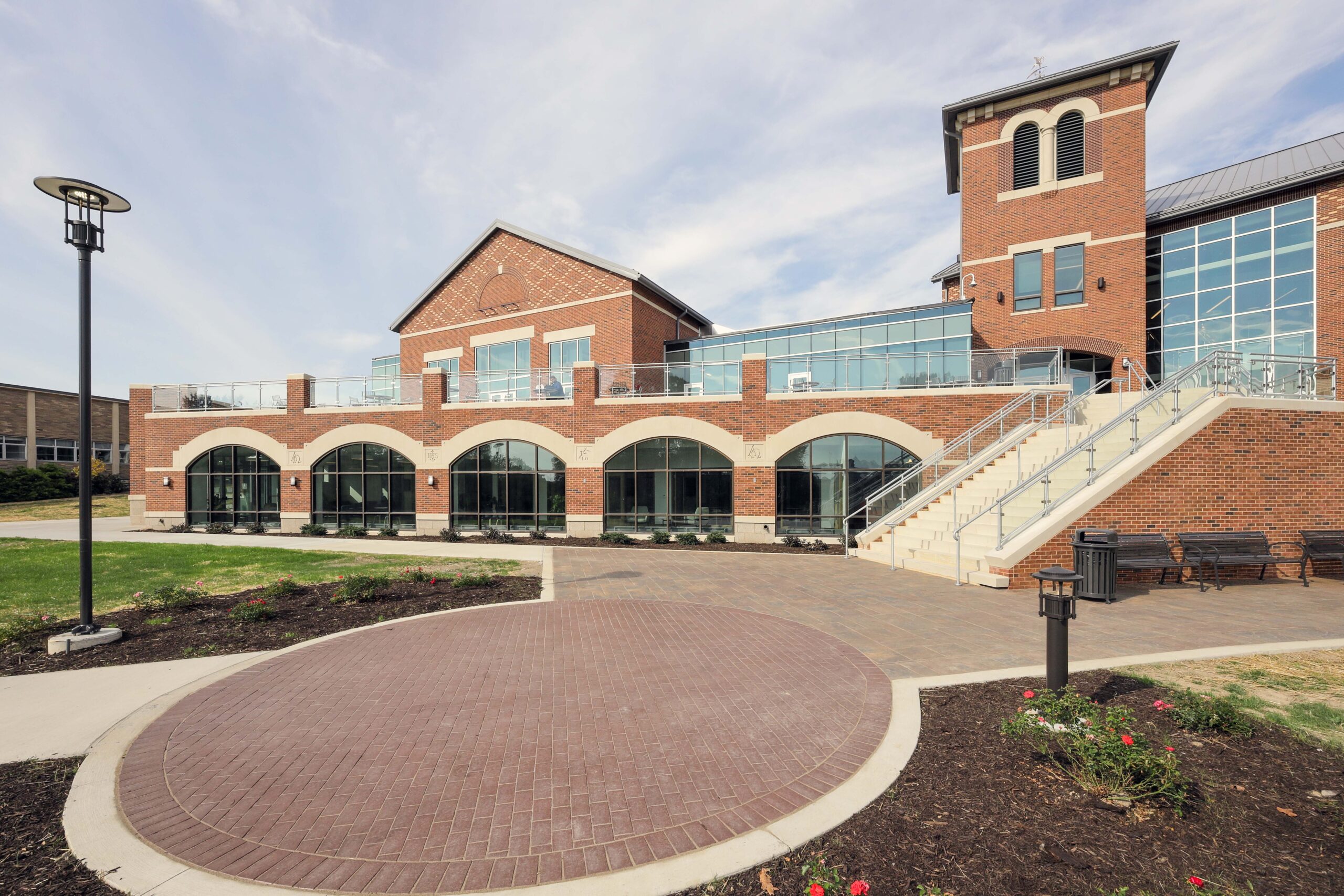
Semester scheduling at CSUB follows the CSU academic calendar, providing a summer construction window from mid-May to mid-August — approximately 13 weeks. Unlike CSU campuses in larger metro areas, CSUB's summer session enrollment is relatively lower, which provides somewhat more building access during summer months than at higher-enrollment institutions. However, CSUB operates year-round research and extension programs that keep some buildings active through the summer, and building-by-building access analysis is still required before mobilizing on any reroofing project. The summer window in Bakersfield is also constrained by extreme heat: afternoon work on rooftops where surface temperatures exceed 175 degrees Fahrenheit requires heat management protocols that affect daily productivity.
CSUB's building inventory, while lacking the architectural antiquity of older campuses, includes some buildings in the 40-50 year age range where original roofing systems have approached or exceeded their service lives. Built-up systems and early generation single-ply membranes from CSUB's original construction phase are reaching the point where replacement rather than ongoing repair is the correct investment. Transitioning these older buildings to modern high-performance systems requires condition assessment before scope definition — infrared moisture surveys to identify wet insulation, deck integrity assessment to identify corrosion, and drain system evaluation to determine whether existing drainage adequately handles the current load. We provide these assessments as the first step in every CSUB reroofing engagement.
California Title 24 energy code requirements apply to every CSUB roofing project. In Bakersfield's extreme heat environment, cool roof compliance is not just a code requirement — it is a meaningful energy cost reduction measure. White reflective membranes that meet Title 24 requirements also reduce cooling loads measurably in a climate where CSUB's cooling costs are significant. We specify Title 24 compliant systems on every CSUB project, document CEC-required performance ratings for permit submittals, and in some cases design reflective coating systems that bring existing membranes into compliance without full replacement. The energy cost savings from cool roof compliance on a Bakersfield campus are among the best cost-benefit ratios of any green building measure available.
LEED certification requirements at CSUB follow CSU system sustainability policies, which encourage green building practices on new construction and major renovation. Roofing contributions to LEED certification include cool roof credits, stormwater management credits, and in some cases vegetative roofing credits. CSU's sustainability dashboard tracks green building performance across the system, and CSUB's facilities decisions are made with awareness of their system-level reporting implications. We provide full LEED documentation packages for CSUB projects and design vegetative roofing systems where green roof elements contribute to certification or sustainability goals.
Student housing at CSUB includes the on-campus residential village that houses a significant fraction of the undergraduate population. Residential building reroofing at CSUB must be scheduled during summer break and completed before fall move-in, which is a non-negotiable schedule milestone. Bakersfield's summer heat makes residential building reroofing one of the most heat-intensive work environments on campus — rooftop conditions above occupied housing on a summer afternoon in Bakersfield are among the most demanding of any California campus. We enforce strict heat illness prevention protocols for residential reroofing work in Bakersfield and schedule heat-sensitive operations for morning hours.
San Joaquin Valley air quality creates a specific work environment consideration at CSUB. Poor air quality days — when AQI levels are elevated — affect both construction worker safety and the acceptance of VOC-containing roofing adhesives and sealants under San Joaquin Valley APCD regulations. We maintain current awareness of SJVAPCD permit requirements for roofing materials, use VOC-compliant adhesive and sealant products throughout, and monitor air quality forecasts when scheduling adhesive-intensive operations. Compliance with APCD regulations is not optional — violations carry significant penalties and can halt a construction project.
Bakersfield's climate — extreme summer heat, intense UV radiation, periodic San Joaquin Valley tule fog in winter, and the seismic activity common to the Kern County area — creates a comprehensive set of roofing challenges. Seismic considerations require seismically appropriate flashing details and equipment anchorage per CBC requirements. UV intensity demands UV-stabilized membrane formulations and potentially additional coatings for extended service life. The Valley's seasonal fog contributes moisture loads that must be managed through proper vapor retarder design. We address all of these factors in every CSUB roofing specification — generic national specifications do not reflect Bakersfield's actual conditions.
- How do you manage heat stress risk during summer roofing at CSUB?
- We enforce Cal/OSHA Heat Illness Prevention standard requirements and apply more stringent internal protocols for extreme heat days. Heat-sensitive operations are scheduled for morning hours. Wet bulb globe temperature monitoring governs rest break frequency, and emergency response protocols for heat illness are in place before mobilization begins.
- What SJVAPCD requirements affect roofing material selection at CSUB?
- SJVAPCD Rule 4651 and related air quality rules restrict VOC content in adhesives, sealants, and primers used in construction applications. We maintain a current approved product list for SJVAPCD compliance and verify that all adhesive and sealant products used meet applicable VOC limits before mobilizing.
- Are you qualified under CSU job order contracting programs for CSUB projects?
- Yes. We maintain active JOC qualifications under CSU system programs applicable to CSUB, including required DVBE subcontracting documentation and prevailing wage compliance records. We can execute appropriate-scope projects under JOC procedures without the lead time of a full competitive bid process.
- How do you handle seismic requirements at CSUB?
- We review rooftop equipment anchorage for CBC seismic compliance as part of every reroofing scope, specify seismically appropriate flashing details at penetrations, and coordinate with structural engineers for anchorage modifications where existing anchorage does not meet current code. Seismic documentation is part of the project closeout package.
- What condition assessment process do you recommend for CSUB buildings in the 40-50 year age range?
- Infrared moisture surveys to locate wet insulation, physical core cuts to confirm findings and assess insulation type, fastener pull-out testing to evaluate deck attachment, and drain system evaluation. Written assessment reports include remaining useful life estimates and capital cost projections for budget planning purposes.