
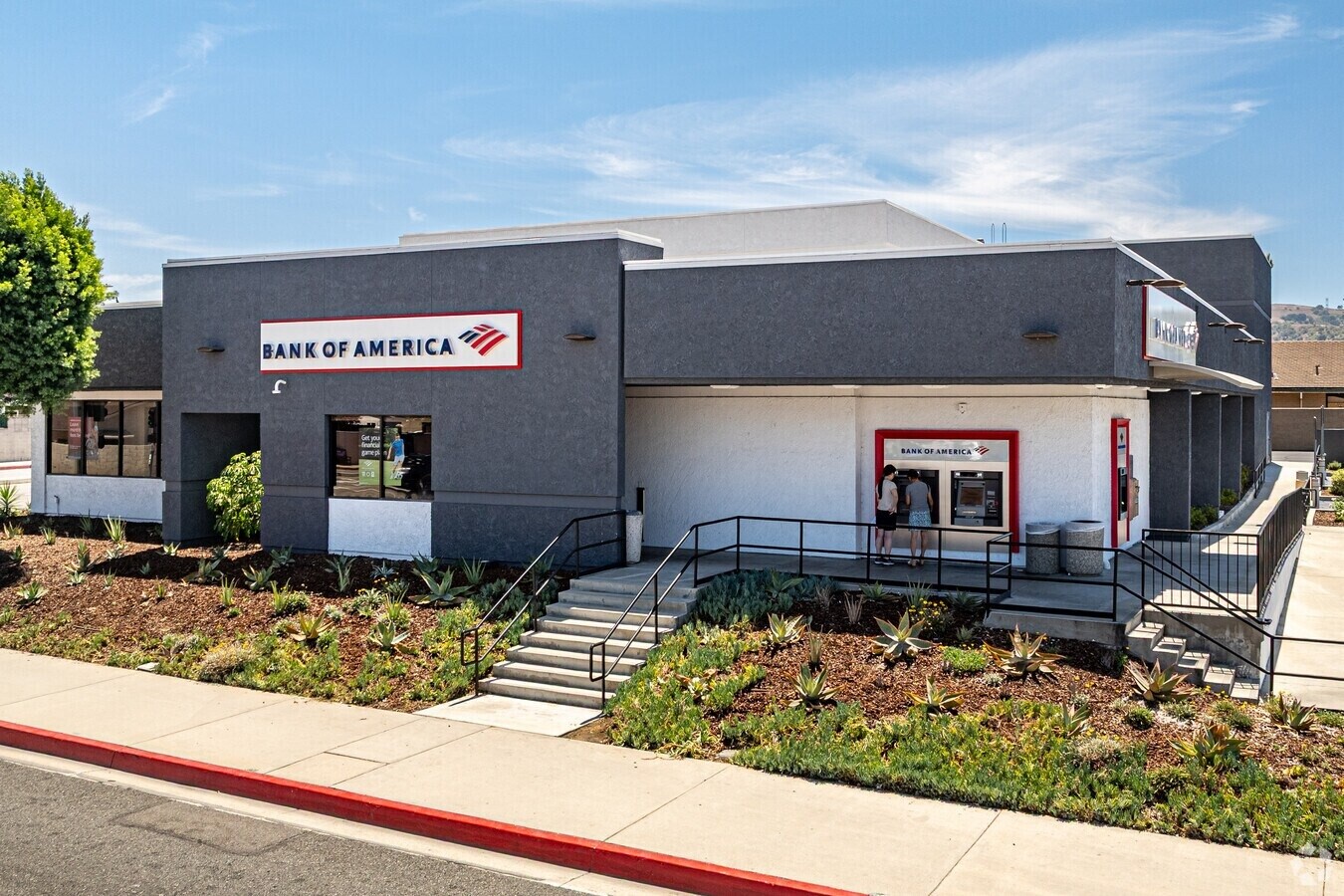
Roofing for Bakersfield banks, credit unions, and financial offices
A bank branch is a small roof with outsized stakes. The footprint is modest, but the building is highly visible from the street, it operates on tight business hours, it sits over vaults and server rooms where even a minor leak is a real problem, and getting a crew onto the property means working through security access rules most commercial buildings never impose. We scope financial buildings around those constraints from the first walk, because the difficulty here is rarely the size of the roof. It is the canopy details, the visibility, the sensitive spaces below, and the access protocols.
Financial buildings in Bakersfield follow the money corridors. National branches and regional credit unions line California Avenue through the business district, cluster along Ming Avenue and the Stockdale corridor on the west side, anchor the retail centers off Rosedale Highway, and hold down the older Downtown core near Chester and Truxtun. Many are small standalone pad buildings with a drive-through, some are larger corporate banking offices and credit union headquarters, and a number share multi-tenant centers where the bank's roof ties into a neighbor's. The branch type drives the scope, and the drive-through almost always drives the leak history.
Small roofs, a lot of penetrations
A bank roof carries more going on than its size suggests. Drive-through canopy transitions, ATM kiosk enclosures, generator and transfer-switch rooms with rooftop exhaust, and precision cooling units for the server room all create discrete flashing requirements over a small building. The drive-through canopy-to-building joint is the single most common chronic leak we find on retail bank properties. It takes thermal cycling, vehicle wash overspray, and a little differential settlement, and the standard retail flashing detail is not built to take that long-term. We treat that transition as its own flashing item, evaluate it separately, and re-flash it with a detail designed for the movement it actually sees rather than rolling it into the field membrane and hoping.
What sits under the roof changes how we sequence
Vaults, cash-handling areas, and server rooms are the spaces a bank cannot afford to have water reach, and on a flat roof the drainage design and the membrane over those zones get extra attention. We pull the vault and server locations from the building drawings before mobilizing, sequence work over those zones into approved windows, and confirm with the bank's security and facilities people that no active operation is affected by vibration or temporary access changes. A leak into a retail floor is an inconvenience. A leak into a server room or a vault stops the branch, so we plan around those rooms deliberately.
Security access and business-hours scheduling
Security shapes a bank roofing project more than almost any other commercial type. Contractor badging, escort requirements for vault-adjacent areas, and security-camera documentation of crew activity are standard at bank-owned properties. None of that should be a surprise that shows up as a change order after the contract is signed, so we factor the credentialing and coordination timeline into the bid from the start. The schedule itself works around the lobby hours: tear-off and installation concentrate into off-hours and weekends, with watertight dry-in confirmed before the branch opens each morning, and noise during customer-service hours kept to what the branch manager and corporate facilities team approve.
The high-visibility piece matters too. A bank's roofline, parapet coping, and the drive-through canopy are part of the brand image on a busy corner. Streaked edge metal or a sagging canopy fascia reads differently on a bank than it would on a warehouse, so we treat the visible edge metal and canopy condition as part of the scope. Bakersfield's intense summer sun and short, heavy winter storms are hard on small under-drained flat roofs, and where ponding has been a problem we specify tapered insulation to move water to the drains and overflows rather than letting it sit on a high-profile roof.
Portfolio programs and single branches
Many financial institutions in Bakersfield own multiple branches or run under a corporate real estate structure with centralized facilities management. National and regional bank roofing programs come with preferred-vendor processes, standardized scope documentation, and national-account pricing frameworks, and we work inside those structures with a single project-management point of contact for the corporate team. Community banks and credit unions managing individual properties get the same execution and a closeout package built for their files: contractor insurance and license verification up front, a preconstruction safety plan, daily work and dry-in reports, manufacturer warranty registration in the owner's name, and the final permit and inspection package.